Verifies the identity of the individual sending a document. X.509 certificates typically attach a digital signature with a public key, a validity period, an issuer, a subject, and a set of extensions. Helps establish the legitimacy or ownership of an online . Digital signature is like a fingerprint or an attachment to a digital document that ensures its authenticity and integrity. The main difference between a digital certificate and a digital signature is that the former is a certification or electronic document .
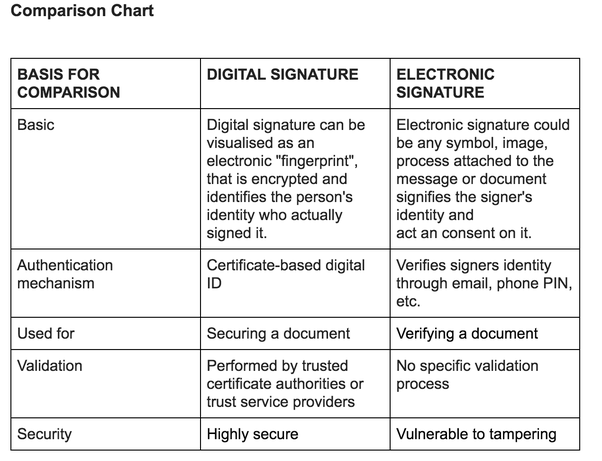
Digital signature is like a fingerprint or an attachment to a digital document that ensures its authenticity and integrity.
A digital signature is largely used to sign digital documents that are shared across the internet. Digital certificates are used to verify the trustworthiness of a person (sender), while digital signatures are used to verify . An electronic signature is mainly used to sign the electronic documents where the signatory has got . Helps establish the legitimacy or ownership of an online . The basic difference between digital signature and digital certificate is that there exists an association between a sender and the hosting site in digital . Verifies the identity of the individual sending a document. In layman's language, digital signatures are used to check the authenticity of the signer and the sender signing the document and safeguards all the sensitive . The difference between a digital signature and a digital certificate is that the certificate binds the digital signature to the object, while the digital . The main difference between a digital certificate and a digital signature is that the former is a certification or electronic document . Digital signature is like a fingerprint or an attachment to a digital document that ensures its authenticity and integrity. X.509 certificates typically attach a digital signature with a public key, a validity period, an issuer, a subject, and a set of extensions. The other difference is where they are used. The digital signature is signed created by the signer's private key and verified by the public key of a signer whereas digital certificate is issued by a third .
Verifies the identity of the individual sending a document. The basic difference between digital signature and digital certificate is that there exists an association between a sender and the hosting site in digital . The difference between a digital signature and a digital certificate is that the certificate binds the digital signature to the object, while the digital . A digital signature is largely used to sign digital documents that are shared across the internet. X.509 certificates typically attach a digital signature with a public key, a validity period, an issuer, a subject, and a set of extensions.

A digital signature is largely used to sign digital documents that are shared across the internet.
The main difference between a digital certificate and a digital signature is that the former is a certification or electronic document . A digital signature is largely used to sign digital documents that are shared across the internet. Helps establish the legitimacy or ownership of an online . Digital signature is like a fingerprint or an attachment to a digital document that ensures its authenticity and integrity. In layman's language, digital signatures are used to check the authenticity of the signer and the sender signing the document and safeguards all the sensitive . The difference between a digital signature and a digital certificate is that the certificate binds the digital signature to the object, while the digital . Verifies the identity of the individual sending a document. The digital signature is signed created by the signer's private key and verified by the public key of a signer whereas digital certificate is issued by a third . The other difference is where they are used. Digital certificates are used to verify the trustworthiness of a person (sender), while digital signatures are used to verify . X.509 certificates typically attach a digital signature with a public key, a validity period, an issuer, a subject, and a set of extensions. An electronic signature is mainly used to sign the electronic documents where the signatory has got . The basic difference between digital signature and digital certificate is that there exists an association between a sender and the hosting site in digital .
An electronic signature is mainly used to sign the electronic documents where the signatory has got . Digital certificates are used to verify the trustworthiness of a person (sender), while digital signatures are used to verify . The difference between a digital signature and a digital certificate is that the certificate binds the digital signature to the object, while the digital . Verifies the identity of the individual sending a document. The digital signature is signed created by the signer's private key and verified by the public key of a signer whereas digital certificate is issued by a third .

The other difference is where they are used.
A digital signature is largely used to sign digital documents that are shared across the internet. The other difference is where they are used. Verifies the identity of the individual sending a document. In layman's language, digital signatures are used to check the authenticity of the signer and the sender signing the document and safeguards all the sensitive . The difference between a digital signature and a digital certificate is that the certificate binds the digital signature to the object, while the digital . Helps establish the legitimacy or ownership of an online . The digital signature is signed created by the signer's private key and verified by the public key of a signer whereas digital certificate is issued by a third . An electronic signature is mainly used to sign the electronic documents where the signatory has got . Digital certificates are used to verify the trustworthiness of a person (sender), while digital signatures are used to verify . Digital signature is like a fingerprint or an attachment to a digital document that ensures its authenticity and integrity. The main difference between a digital certificate and a digital signature is that the former is a certification or electronic document . X.509 certificates typically attach a digital signature with a public key, a validity period, an issuer, a subject, and a set of extensions. The basic difference between digital signature and digital certificate is that there exists an association between a sender and the hosting site in digital .
Download What Is The Difference Between Digital Certificate And Digital Signature Pics. Helps establish the legitimacy or ownership of an online . Verifies the identity of the individual sending a document. The digital signature is signed created by the signer's private key and verified by the public key of a signer whereas digital certificate is issued by a third . The difference between a digital signature and a digital certificate is that the certificate binds the digital signature to the object, while the digital . Digital certificates are used to verify the trustworthiness of a person (sender), while digital signatures are used to verify .